Cover Story

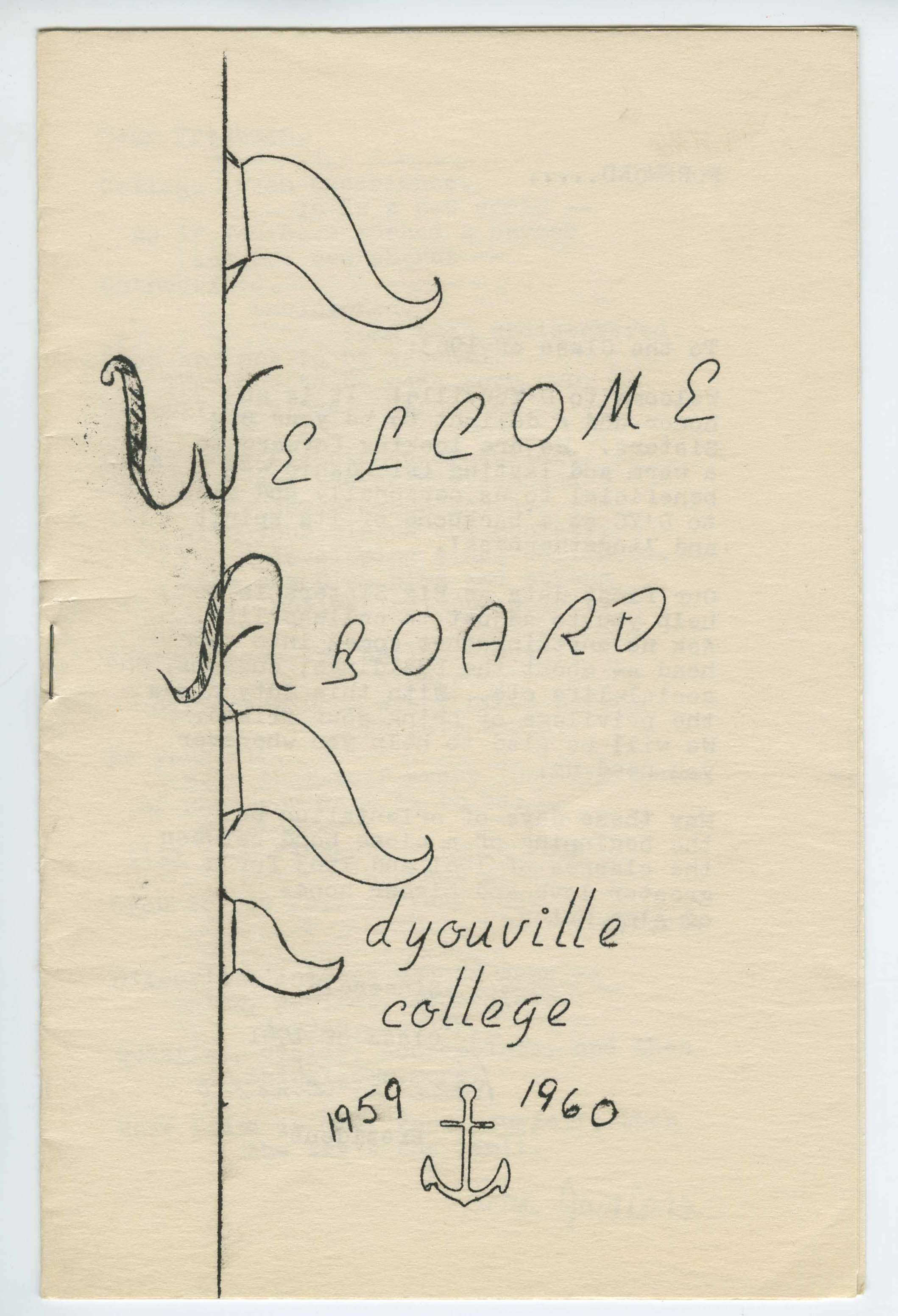
In addition to institutional records, the D’Youville College Archives holds rare books, mainly from the late 19th century.  Book publishing expanded rapidly during the 1800s, with books becoming more affordable for the general public.  Most were printed with cloth book covers and often embellished with gold stamping, illustrations, or other ornament.  Although these books were mass-produced, the charm of the illustrative cover art deserves notice.  Below are examples from the rare books collection.

The Falls of Niagara with Supplementary Chapters on the Other Famous Cataracts of the World

Picture 1 of 7


Nursing Pinning and Capping Ceremonies


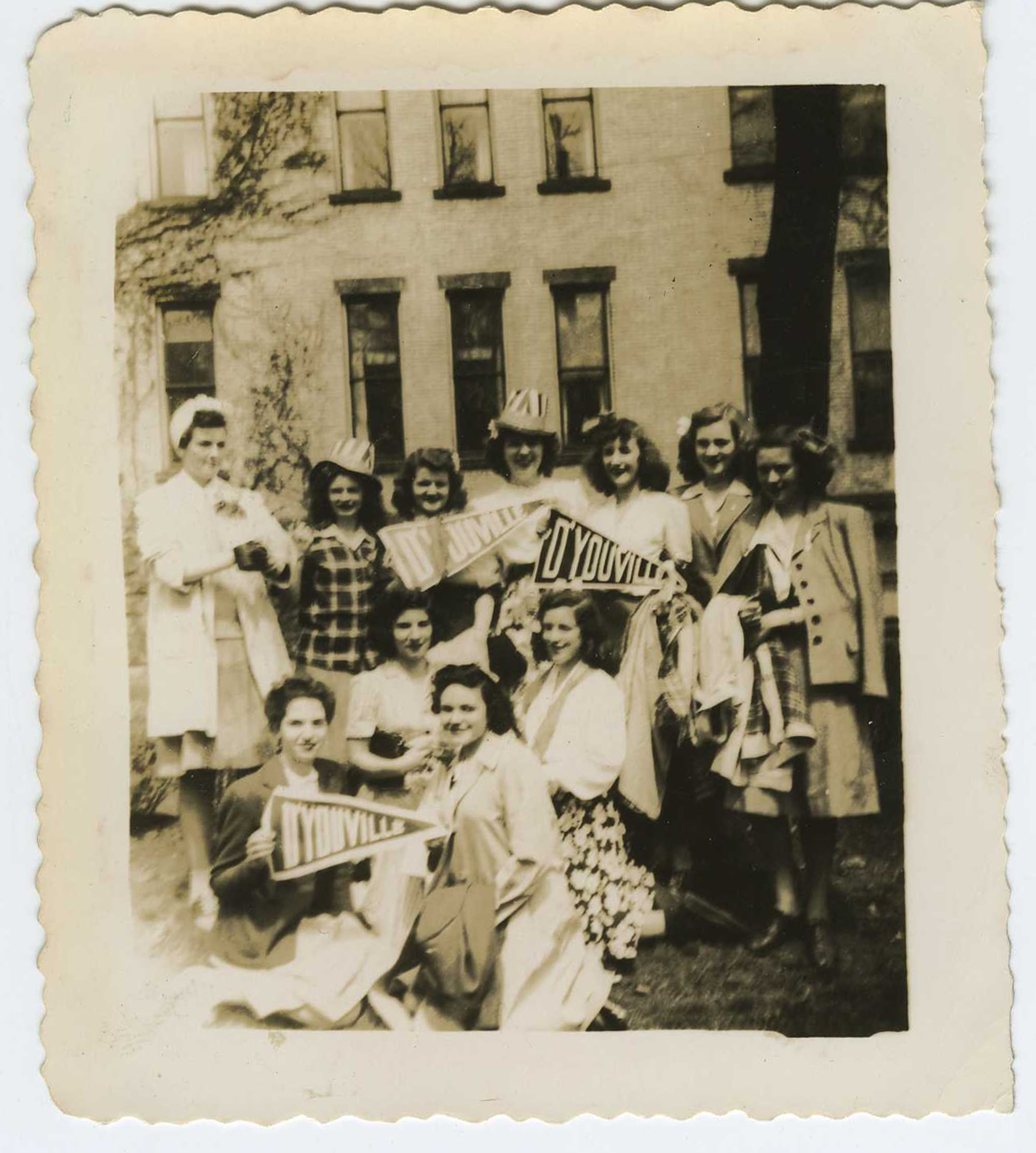
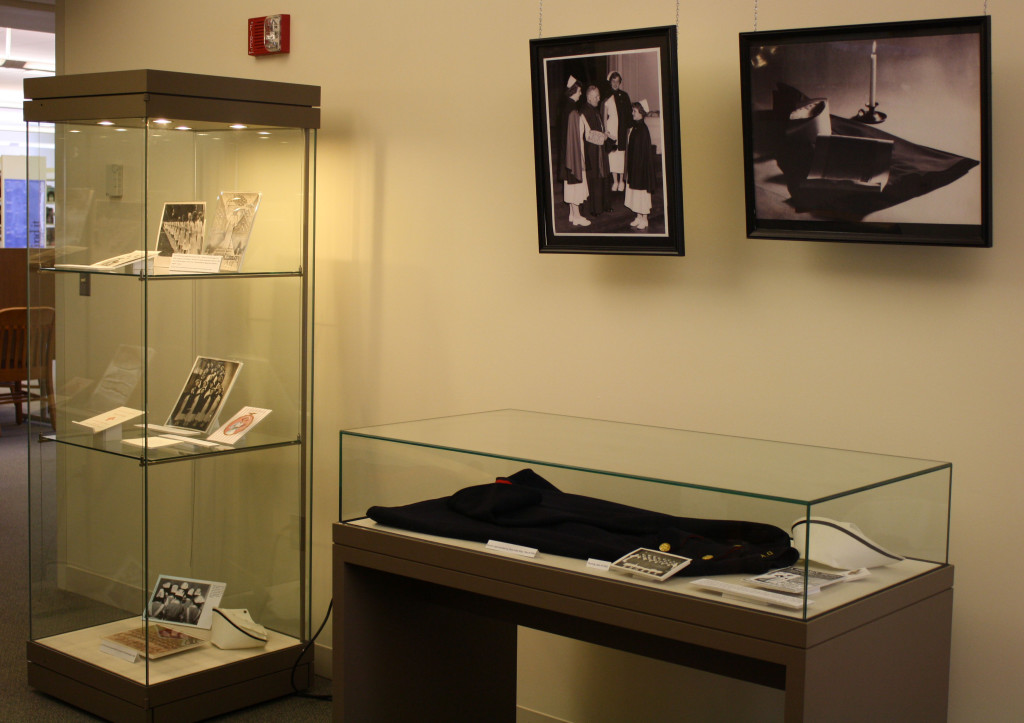
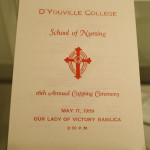
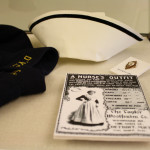
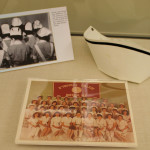
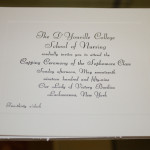
This year’s pinning ceremony for graduating nurses is May 17 at Roswell Park in the Hohn Lecture Hall. The D’Youville pin is presented to graduates signifying their commitment to the nursing profession.  The Bachelor of Science Nursing program at D’Youville began in 1942 with the first graduating class in 1946.  At the time, D’Youville was a women’s college.  In 1971, the college became co-educational, and male nursing students were admitted.  The 1980s and 90s saw an expansion of the program to include Masters degrees.


Moving Up Day


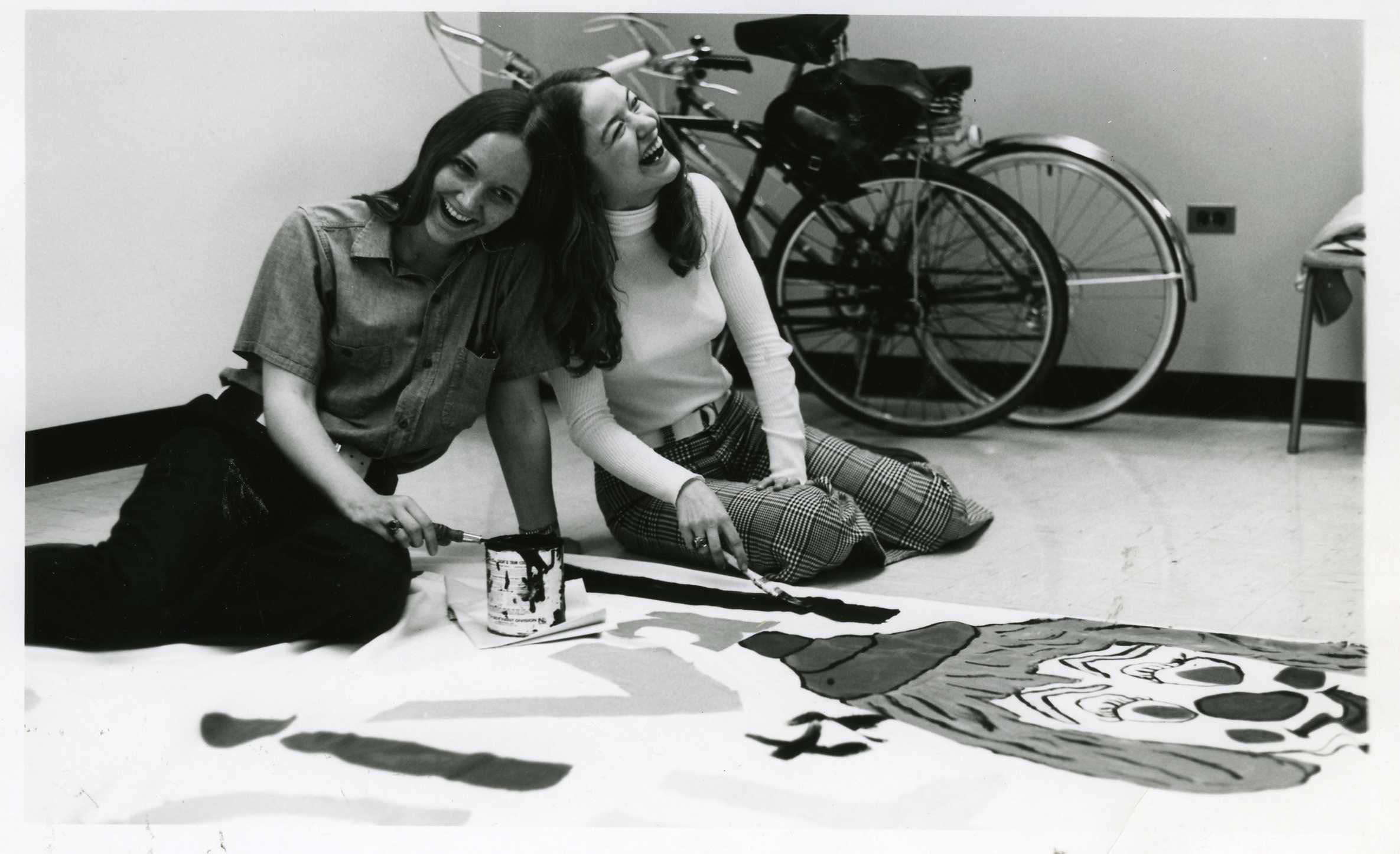
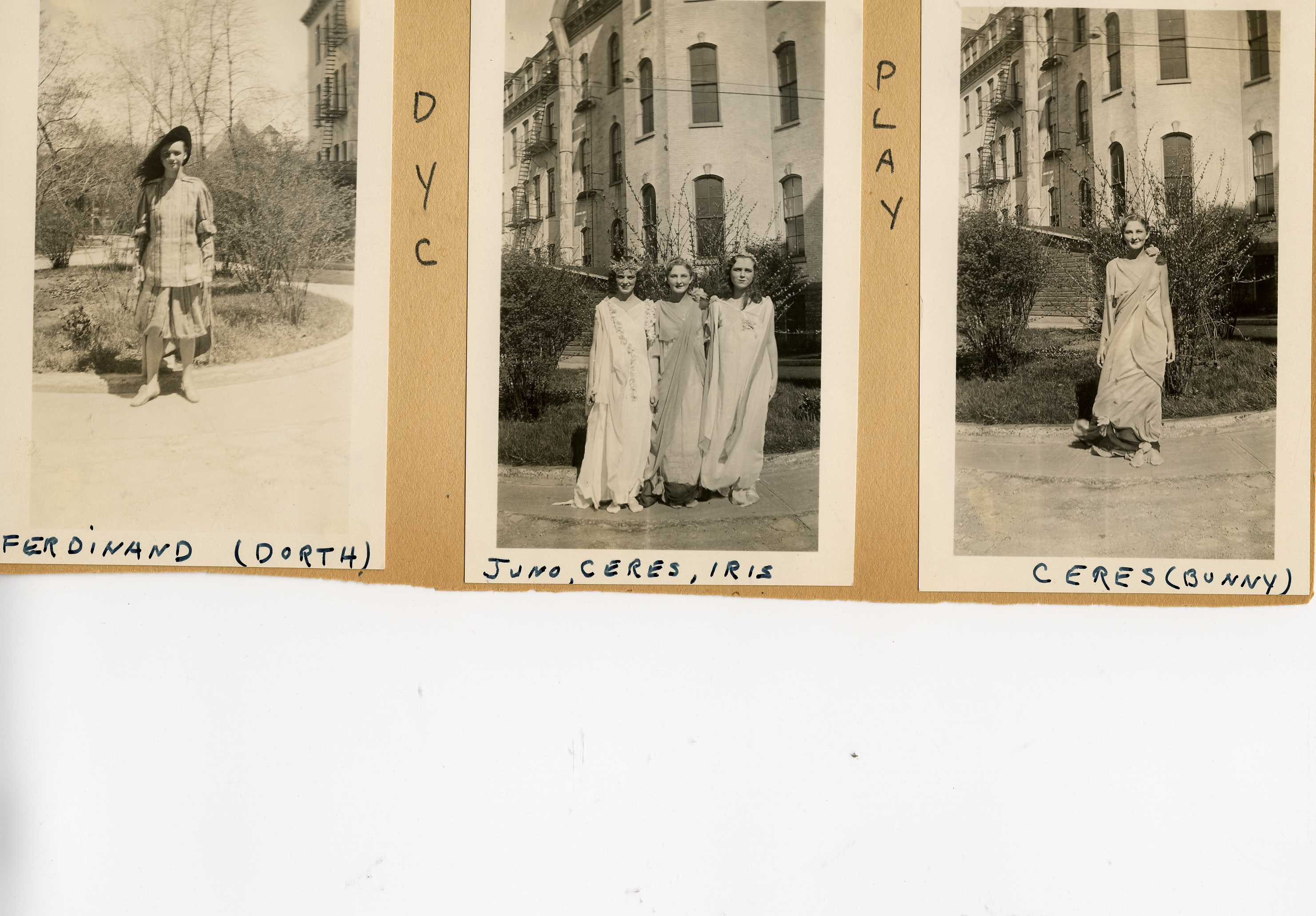
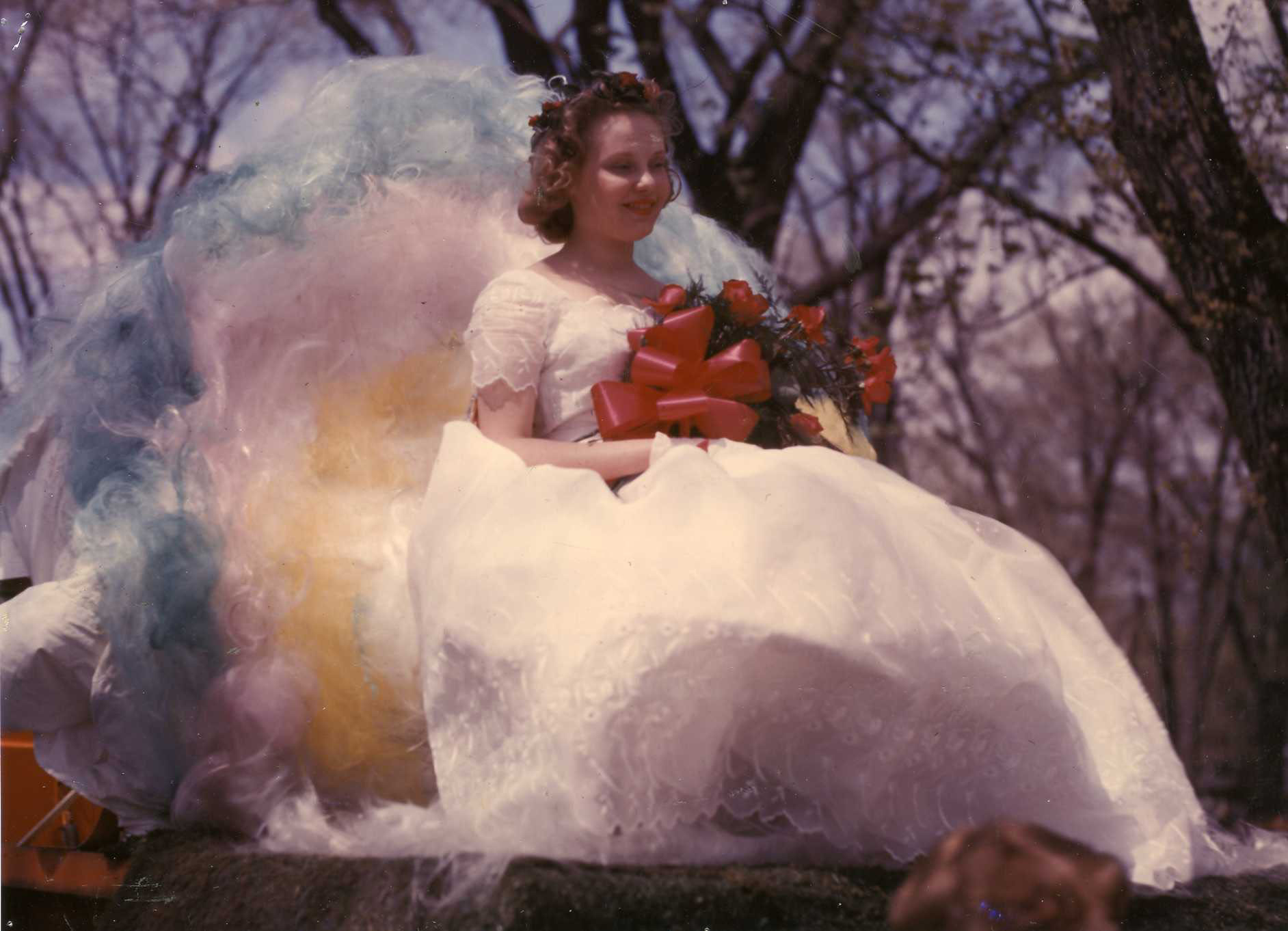
This year, Wednesday May 2nd is Moving Up Day (MUD), a celebration of moving on to the next year of study. Until 1974, MUD was marked by a parade with elaborate student floats, celebratory dinner, and naming of the Moving Up Day queen.


Graduation!

First D'Youville graduates, 1912. Sitting: Pauline Garnett. Standing (l to r): Mary Brennan, Elizabeth Gosselin.

100 years ago, Pauline Garnett, Mary Brennan, and Elizabeth Gosselin became the first graduates of D’Youville College.  The event was held in the College Auditorium (now the Kavinoky) and was reported by Nanette Lancaster (class of 1913) in the D’Youville Magazine*:

Cardinal Farley presented the diplomas to the graduates, after which Bishop Colton placed upon each one the hood significant of the degree she received.  Those who had completed the course prescribed by the institution and were entitled to the degree of Bachelor of Arts were Miss Mary Brennan of Medina, NY, who received special honours in Latin, English and Pedagogy; Miss Pauline Garnett of Buffalo, who received her degree with special honours in History, English and Pedagogy; and Miss Elizabeth Gosselin of Redford, NY, with special honours in French and Pedagogy.  Miss Helena Sheehan of Buffalo, BA of Trinity College, 1911, who took a post-graduate course at D’Youville in English and Aesthetics, received the degree of Master of Arts.  Miss Elizabeth Cronyn, of Buffalo, because of her distinguished accomplishments in music, her splendid and successful efforts to elevate musical taste in Buffalo, and to establish high ideals of artistic musical performance, also because of her beautiful, Christian womanliness, received the degree of Doctor of Music.


Mary Brennan's diploma

This year’s graduation ceremony will be held at Kleinhan’s Music Hall, Saturday, May 19 at 9:00 am.  More information on tickets, graduation events and festivities can be found here.

*”Commencement Week,” by Nanette Lancaster.  D’Youville Magazine, vol. 5 no. 3 (July 1912).


Preservation Week: April 22 to 28

The American Library Association, Society of American Archivists, Library of Congress and other organizations have started the Preservation Week initiative to

raise awareness about collecting and preservation, to connect the general public to preservation information and expertise, and to emphasize the close relationships among personal, family, community, and public collections and their preservation.*

Are you a genealogist?  Do you have family photos, diaries, old books, or other collectibles and memorabilia?  Here are a few resources to help you take care of those items and organize your research.

Organizing Family Papers

Conducting an Oral History Interview

How to care for Books 

How to care for Photographs

How to care for Textiles, Quilts, and Clothing

Caring for Paper and Works of Art on Paper [Drawings, Watercolors, etc.]

*From SAA Preservation Week website.

A Mirror of Fair Women

There was a group of painters who became identified specifically with the painting of beautiful women rather than the general concept of beauty in art….  It is in this spirit, the masculine appreciation of feminine appearance, that the 1890s and the turn of the century witnessed the publication of several books dedicated to the beauty of women in art….

Among these books was Theodore Child’s A Mirror of Fair Women: Studies in Beauty and Elegance, published by Harper and Brothers in 1892.  The D’Youville College Archives holds a selection of engravings and etchings from this work, some of which can be viewed here:

Spring, from The Birth of Venus, by Botticelli

Picture 1 of 5

*Quote taken from Bailey Van Hook’s Angels of Art: Women and Art in American Society, 1876-1914.  Published by Penn State Press, 2004, pp.165.


logos, letterhead, and graphic identity, 1940 to present


Endpapers

The Prairie, 1827. end – papers n.

the blank leaves at the beginning and end of a book, pasted to the inside front and back covers and first and last pages.

Before books were mass-produced, it was common for endpapers to include maps, marbling, or other ornament.  Endpapers are functional and serve to help support and strenthen the book, but they can also be quite beautiful.  These examples are from books held in the D’Youville College Archives:


Although today most endpapers are blank, children’s books, in particular picture books, often still contain ornamented endpapers:

Call it Courage, 1941.  Endpapers illustrated by Armstrong Sperry. The Forge in the Forest, 1925.  Endpapers illustrated by Boris Artzybasheff.